

If you spend enough time wandering the Wasatch foothills, you start to notice patterns of sagebrush shifting in the wind, bursts of balsamroot in spring and the way wild rose creeps along creek beds. But look closer and the landscape starts to reveal something else: a living pharmacy.
For thousands of years, native plants have been used for food, healing, ceremonies and survival. Today, the very same species still grow along the trails we hike every week. This guide highlights 10 of the most common medicinal plants you can spot around Salt Lake City, along with their traditional uses and ecological considerations.
This is not an invitation to harvest them, just an invitation to notice.
10 Medicinal Plants of the Wasatch Front
- Yarrow (Achillea millefolium)
Nicknames: Soldier’s Woundwort, Nosebleed Plant, Carpenter’s Weed, Common Yarrow
Where to find it: Foothills, open meadows, sunny slopes
Traditional uses: Used historically to slow bleeding, reduce swelling, and clean minor wounds. Yarrow tea has been used in many cultures to ease digestive issues, fevers and headaches.
Keep in mind: Can trigger allergies in people sensitive to ragweed; internal use during pregnancy is discouraged.

- Utah Serviceberry (Amelanchier utahensis)
Nicknames: Shadbush, Juneberry, Saskatoon
Where to find it: Dry foothills, scrub oak zones, canyon openings
Traditional uses: Indigenous groups used the berries as a nutrient-dense food, often dried and added to pemmican. Bark and leaf decoctions were used for sore throats, digestive support and mild fevers.
Caution: Some berry lookalikes are bitter or unsafe — identification matters.
- Plantain (Plantago lanceolata)
Nicknames: Ribwort Plantain, Lamb’s Tongue, English Plantain
Where to find it: Disturbed soils, trailheads, grassy patches
Traditional uses: The leaves were crushed into poultices to draw out toxins from stings, bites and splinters. Internally, plantain tea has been used traditionally for coughs, ulcers and general inflammation.
Consideration: Avoid plants growing near heavy traffic or contaminated soil.
- Arrowleaf Balsamroot (Balsamorhiza sagittata)
Nicknames: Balsamroot, Spring Sunflower
Where to find it: Sunny foothills in spring, especially above SLC
Traditional uses: Roots were dried and chewed or brewed to ease respiratory issues, while leaves were applied to minor wounds. Seeds were sometimes eaten or ground into meal.
Keep in mind: This plant grows very slowly — harvesting in the wild is highly discouraged.
- Oregon Grape (Mahonia repens & Mahonia aquifolium)

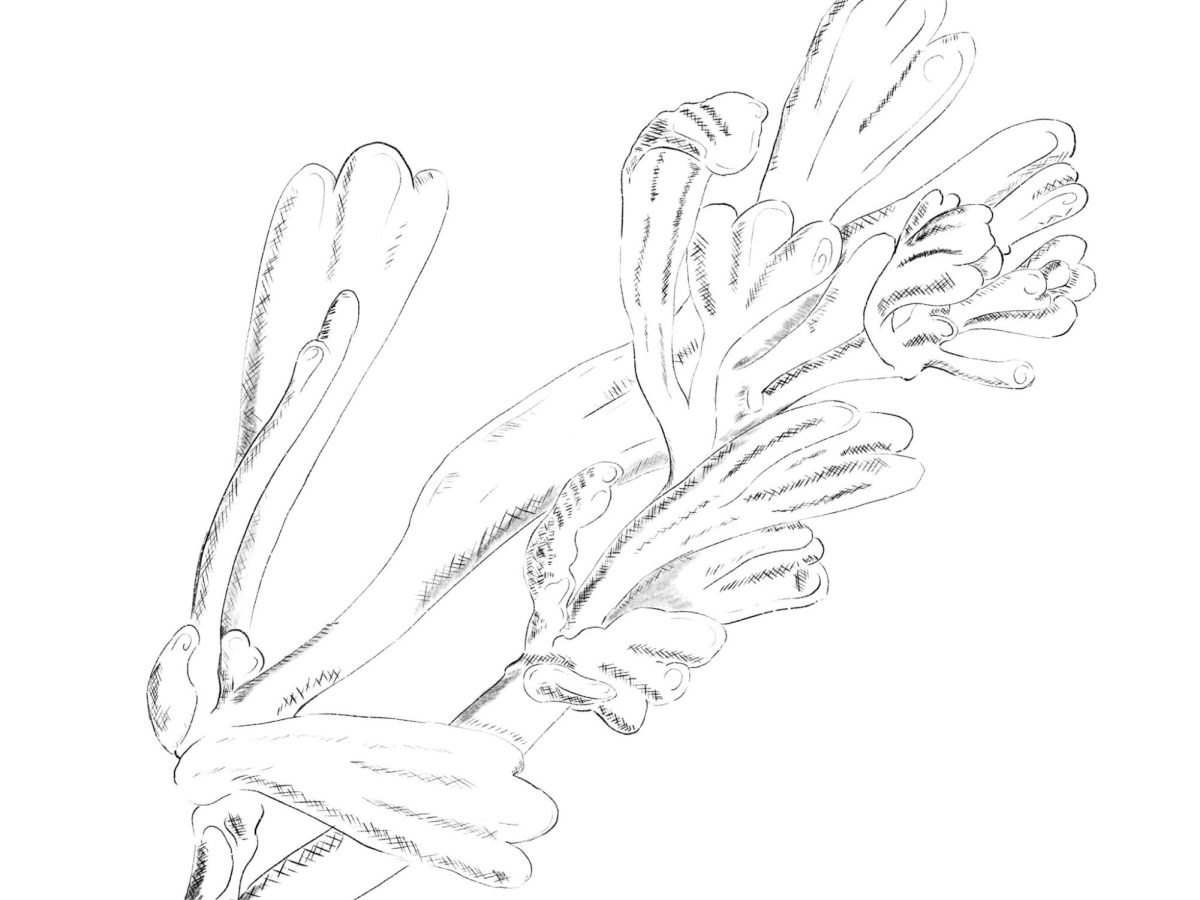
Oregon grape illustration by Emilie Bailey
Nicknames: Holly Grape, Mountain Grape
Where to find it: Shady canyons, particularly Millcreek and the Cottonwoods
Traditional uses: The yellow roots contain berberine, traditionally used for infections, digestive problems and skin conditions. The berries were occasionally used for food or dye.
Caution: Wild populations are vulnerable to overharvesting — ethical sourcing is essential.
- Sagebrush (Artemisia tridentata)
Nicknames: Desert Sage, Great Basin Sage
Where to find it: Dry foothills surrounding Salt Lake Valley
Traditional uses: Leaves were brewed into teas for colds, congestion and stomach discomfort. Sagebrush also holds deep ceremonial importance for Indigenous peoples, used in smudging, purification and spiritual practices.
Consideration: Engage with cultural practices respectfully and avoid removing material from protected areas.

- Wild Rose (Rosa woodsii)
Nicknames: Western Wild Rose, Mountain Rose
Where to find it: Creek corridors, canyon trails, moist soils
Traditional uses: Rose hips, rich in vitamin C, were used to ward off colds and boost immunity. Petals were sometimes infused into calming teas or used in lotions for skin irritation.
Keep in mind: Rose hips contain tiny irritating hairs that must be removed before use.
- Stinging Nettle (Urtica dioica)
Nicknames: Common Nettle, Burn Nettle
Where to find it: Moist, shaded trails; common in City Creek Canyon
Traditional uses: Once cooked or dried to remove the sting, nettle has been used traditionally as a mineral-rich food, a liver-support tonic and a remedy for seasonal allergies. Externally, nettle compresses were used to soothe joint pain.
Caution: Always use gloves — fresh nettle can easily irritate skin.

- Mullein (Verbascum thapsus)
Nicknames: Cowboy Toilet Paper, Velvet Plant, Flannel Leaf, Aaron’s Rod
Where to find it: Dry hillsides, roadsides, disturbed ground
Traditional uses: Leaves were brewed into teas for coughs, bronchitis and congestion. The yellow flowers were traditionally infused in oil for earaches, and the plant was sometimes burned or smoked ceremonially for respiratory clarity.
Consideration: The leaf hairs can irritate the throat — fully filter teas before drinking.
- Prickly Pear Cactus (Opuntia polyacantha)
Nicknames: Cactus Pear, Paddle Cactus, Nopal
Where to find it: Red Butte, dry foothill slopes, desert-adjacent areas
Traditional uses: Pads were applied as cooling poultices for burns, swelling and inflammation. The fruits were used for hydration, blood sugar support and general nourishment.
Keep in mind: Glochids — nearly invisible spines — can lodge in skin and are extremely difficult to remove.
Know Before You Go:
Before touching any plant on the trail, make sure you know exactly what you’re handling. Many Wasatch species have lookalikes, some of which are harmless, while others can be irritating or toxic. So, taking a moment to confirm identification protects both you and the plant.
Remember to follow Leave No Trace principles. Many native plants grow slowly or exist in scattered, fragile populations, meaning even light picking or wandering off trail can cause long-term damage. With more people recreating each year, small acts of care matter.
Much of the Salt Lake Valley’s watershed is strictly protected from foraging, especially in canyons that supply drinking water. These rules support the health of the entire city, and staying on the trail keeps both the landscape and the water clean.

It’s also important to honor Indigenous knowledge. Our understanding of these plants comes largely from the long histories of the Ute, Paiute, Goshute and Shoshone peoples, whose relationships with these species are rooted in culture, ceremony and stewardship. Acknowledging that lineage adds depth and respect to any learning.
Finally, remember that “medicinal” does not mean “automatically safe.” Plants can interact with medications, trigger allergies or cause harm if used incorrectly. Even trusted remedies deserve careful research, so consult reliable sources, herbalists or medical professionals when in doubt.
In the Wasatch, wisdom grows quietly, and when we slow down enough to pay attention, the land shows us how to move with care and leave something living behind. Caring for these mountains is a shared effort, and whether we’re gathering plants, respecting traditions or staying on the trail, every choice we make helps keep the range healthy for everyone who calls it home.