

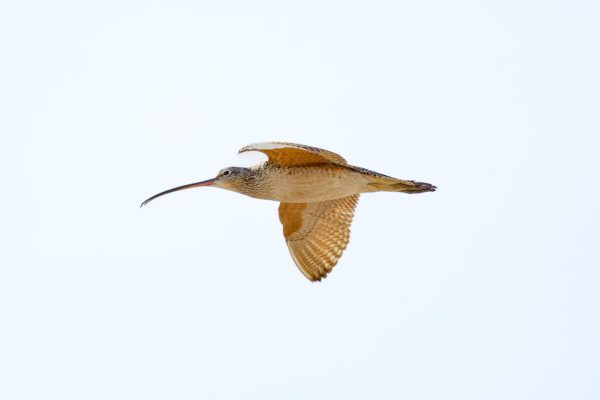
 Something has Utah in a chokehold, and it’s not what you might think. It’s not skiing. It’s not the gondola. It’s not watering a perfectly green lawn in the middle of the desert. These things are prolific, but what I am thinking of penetrates something deep within our souls, unraveling our shells and laying its finger on the pulse of humanity. Something that reminds us of a time in our history we often forget. I am talking, of course, about bird migration.
I’m not sure what it is about bird migration that gets us so amped up. It may be the idea of an epic journey undertaken by these little creatures, a journey we can’t begin to fathom. It may be the season change the journey typically signifies. It may be the novel opportunity to see new species we don’t regularly get the chance to. Whatever it is, something about seeing a V of geese briefly block out the sun makes us stop and think, “Oh, how cool.” This trek that certain species commit to every year rents a room in the collective mind of humanity and has inspired hobbies, movies, books, competitions, and more.
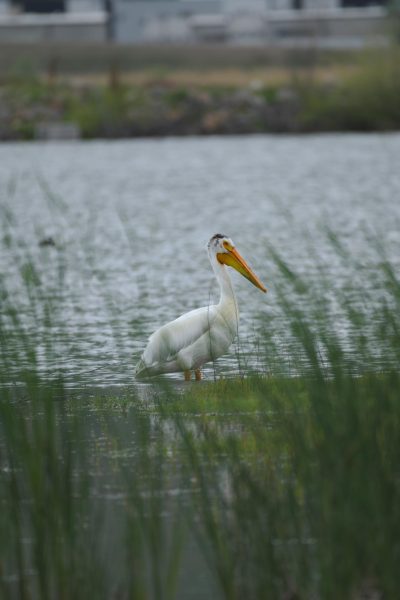
In Utah, this is especially true. The Great Salt Lake, with locations like the Bear River Migratory Bird Refuge and Antelope Island, is a major stopover point for millions of birds on the Pacific Flyway each year, totaling 339 distinct species. It brings birdwatchers, researchers, and curious spectators from across the globe to experience this unique congregation. People may catch glimpses of sandhill cranes, snowy egrets, black-crowned night herons, tundra swans, and even the occasional stilt sandpiper. This important wetland environment offers excellent nesting grounds and plenty of food in the form of brine shrimp and brine flies.
Interestingly, birds do not migrate solely based on the change in temperature. It is actually the reduction of resources caused by the changing temperature that sparks the long journey. As sources of food begin to dwindle, birds move to warmer climates with more abundant snacks and less competition. This is also true for nesting materials during the breeding season. Because of this, a large factor in whether or not a bird must migrate is its diet. Birds that eat season-dependent foods, like fruit or flying insects, must follow the season that aligns most with their food preference.
Being able to travel with the seasons like this is a major advantage, not only for the birds but also for the local ecosystems they visit as well. Migratory birds play a major role in pollination, pest control, seed dispersal and nutrient cycling. And, of course, an unlucky number of them end up as dinner for local predators. Migratory birds become important to these ecosystems’ food chains and timelines, just as much as these areas are important to the birds. Additionally, the ecosystem services these birds provide have a scope as large as their migration path, allowing them to benefit a wide swath of localities.
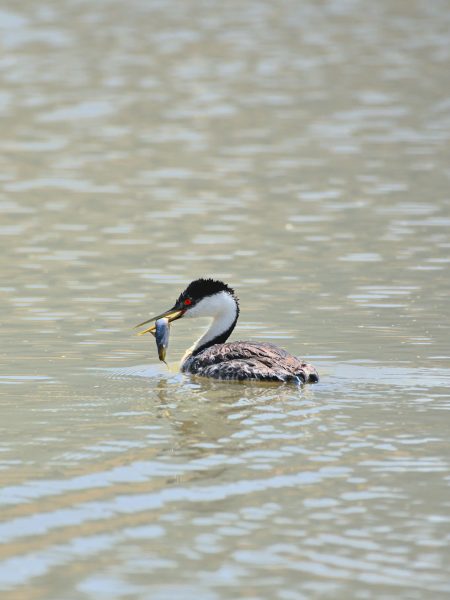 But what of the birds who do not migrate? What of the ones who become accustomed to just one ecosystem? Are they automatically at a disadvantage for staying home? Why don’t they migrate? Are they less cool? Are they deadbeats? Should we even care about them at all? Why do my toes tingle when I touch my belly button?
For whatever reason—and maybe this is just me—we spend less time thinking about resident birds than we do migratory birds. These birds that are a constant background of our lives have less of a spectacle attached to them, so they fade into the sounds we hear as we walk to the bus stop. Rather than stand out as a unique sight to behold. Mountain chickadees, Steller’s jays, canyon wrens, California quails, belted kingfishers, and many others make up this group of homebodies. My favorite birds, black-billed magpies, are members of this camp as well, despite what I thought for the first couple of years of my time in Utah.
So why don’t these birds migrate? It once again comes down to diet. Many of these birds rely on seeds for their sustenance. Others rely on critters and larvae that live nestled under bark. These are much easier to come by in the winter months than fruit or other insects. Another thing resident birds have learned is to not be picky. Many of these birds have a wide-ranging diet that changes with the season as certain foods become more or less available. Mountain chickadees, for example, live off of a diet of insects, spiders and berries in the summer, but transition to a diet consisting mostly of conifer seeds for other seasons. This adaptability eliminates the need for these birds to travel with the seasons.
If you are worried about these birds getting cold in the winter, worry no longer. The plumage that makes up much of a bird’s body is incredible at heat insulation. A base layer of down feathers traps body heat while the top layer of contour feathers can repel water. Birds can fluff up these feathers, creating air pockets that trap even more heat, adding to their insulation. In addition to their amazing feathers, birds may find shelter in trees or bushes, huddle together, or increase body fat. Going back to the chickadees, fat can make up to 10 percent of their body weight in winter months. We consider birds to be these lightweight creatures, but they can put on some relatively serious bulk.
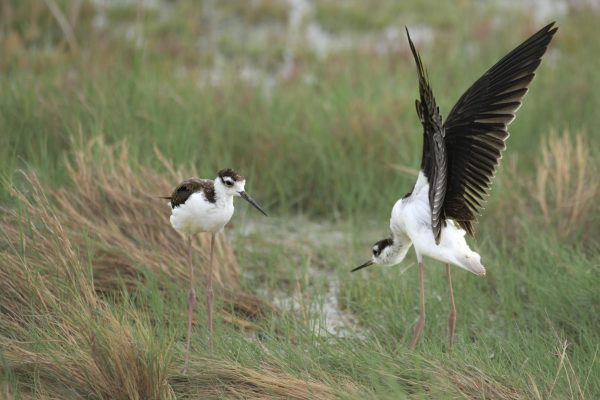
While perhaps not as novel as migratory birds, it is the consistent presence of these resident birds that makes them so important. While migratory birds provide similar ecosystem services as resident birds, and in a much larger range, resident birds are specifically adapted to the ecosystems they inhabit and the native species that reside there. This allows them to be more effective than migratory birds in activities like pollination and pest control. Additionally, resident birds provide these services year-round, rather than simply in the fall or spring months. This familiarity not only benefits the ecosystem, but it also benefits the birds. A study in Central Norway found that resident birds may be better able to predict the early onset of spring and adjust egg laying accordingly as compared to migratory birds.
This winter, keep an eye out for the ones who stayed home. They play an indispensable role in our local ecosystem and tell a tale of perseverance, adaptation, and general badassery. We can learn a lot from these guys, especially as things like seasonal depression begin to rise in these frigid months. When the sky is bleak, the wind is stiff, and the cold cuts through your layers, the sight of a magpie soaring above the glistening snow can inspire more than just a general sense of wonder. It can light the fire necessary to continue your day.